The Different Types of Epoxy Systems Explained
- May 26
- 2 min read
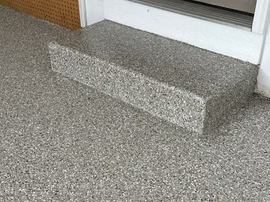
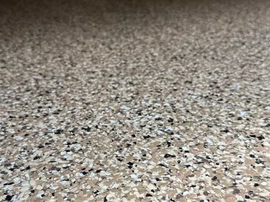
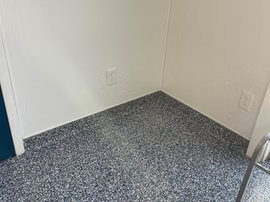
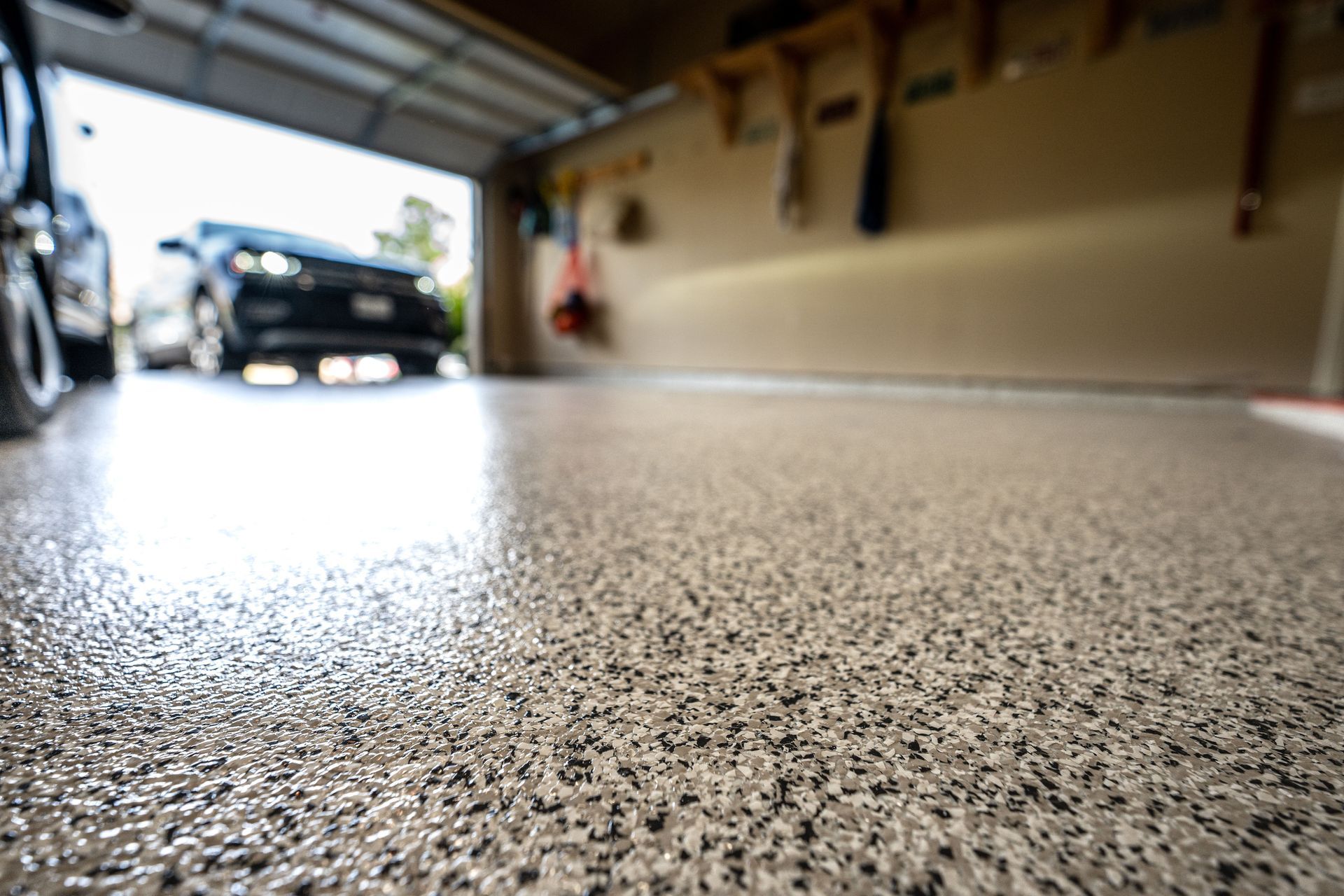
Not all epoxy floors are the same—and understanding the different types of epoxy systems is key to choosing the right one for your space. While many people think of epoxy as a single coating, it’s actually a layered system that can be customized based on durability needs, appearance, and environment. The most basic option is a thin-mil epoxy coating, often used in budget or DIY applications. These coatings are applied in a thin layer and may improve appearance temporarily, but they lack the strength and longevity needed for high-traffic areas. On the other end of the spectrum are full broadcast systems, where a basecoat is applied and completely covered with decorative flakes or quartz before being sealed with a durable topcoat. These systems are significantly thicker, more durable, and ideal for garages, basements, commercial spaces, and even pool decks due to their slip-resistant texture and long-term performance.
Another popular option is metallic epoxy flooring, which focuses more on aesthetics while still providing solid durability. Metallic systems use special pigments to create a high-gloss, marbled effect that’s commonly seen in showrooms, retail spaces, restaurants, and modern residential interiors. While visually striking, they are typically best suited for lower-impact environments compared to heavy-duty industrial systems. For spaces that demand maximum strength—such as warehouses, manufacturing plants, and industrial facilities—self-leveling epoxy systems are often used. These create a smooth, seamless surface that can handle heavy machinery, forklift traffic, and constant wear. They’re also ideal for correcting uneven or damaged concrete surfaces.
One of the most important components across high-quality systems is what lies beneath and on top of the visible layer. A moisture vapor barrier epoxy basecoat is critical in many installations, especially in basements, garages, and areas prone to moisture. This base layer prevents moisture from rising through the concrete and causing failures like bubbling or peeling. On top, many modern systems use a polyaspartic topcoat, which adds UV stability, scratch resistance, and faster curing times compared to traditional epoxy-only finishes. When these elements are combined properly, you get a system that is not only visually appealing but also built to last in residential, commercial, and industrial environments.
Choosing the right epoxy system ultimately comes down to how the space will be used. A residential garage or basement may benefit most from a full broadcast flake system with slip resistance, while a retail space might prioritize the visual impact of metallic epoxy. Industrial environments require thicker, more robust systems designed for heavy loads and constant use. By understanding the differences between these systems, you can make a more informed decision and ensure your floor delivers the performance, durability, and appearance you expect for years to come.


Comments