top of page

Why Your Concrete Is Cracking (And How Epoxy Helps Prevent It)

  • AA Epoxy
  • May 5
  • 2 min read

Concrete is known for its strength, but it’s far from indestructible. Over time, many homeowners and businesses start to notice cracks forming in their floors, driveways, garages, or industrial slabs. One of the most common causes is natural settling and shifting of the ground beneath the concrete. As soil expands and contracts with moisture and temperature changes, it creates stress on the slab, leading to cracks. Temperature fluctuations also play a major role—concrete expands in heat and contracts in cold, and without proper control joints or flexibility, this movement eventually results in visible damage. In high-traffic areas, heavy loads from vehicles, machinery, or equipment can accelerate the process, putting additional strain on an already stressed surface.


Moisture is another major contributor that often goes unnoticed. Because concrete is porous, water can move through the slab from below, creating pressure known as hydrostatic pressure. This can weaken the structure over time, leading to cracking, surface deterioration, and even coating failures if the floor has been previously sealed or painted. In residential spaces like basements and garages—or outdoor areas like pool decks—this is especially common due to constant exposure to water and humidity. Once cracks begin to form, they tend to grow, allowing even more moisture and debris to penetrate the surface, making the problem worse over time.


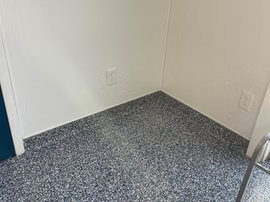
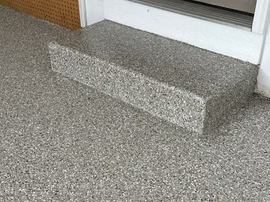
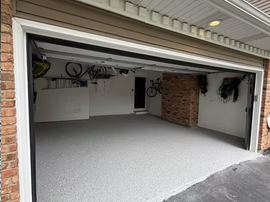
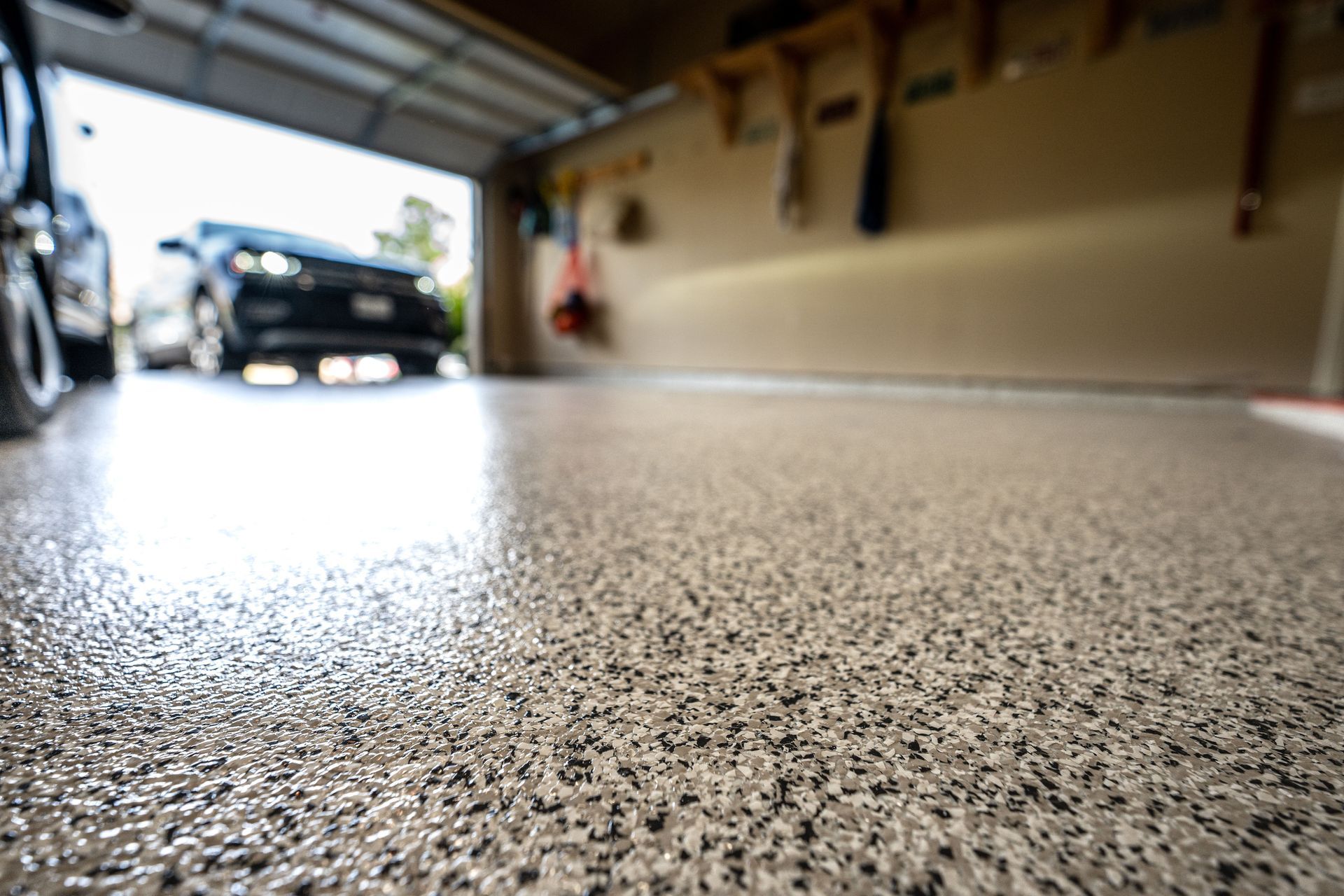
While epoxy flooring won’t stop structural movement in the foundation, it plays a critical role in protecting and stabilizing the surface. Before installation, professionals repair cracks and properly prepare the concrete to ensure a strong bond. A high-quality epoxy system—especially one that includes a moisture vapor barrier basecoat—helps block moisture from rising through the slab, reducing one of the primary causes of ongoing damage. The seamless, durable surface created by epoxy also helps distribute weight more evenly and protects the concrete from further wear, impact, and chemical exposure. Topped with a polyaspartic coating for added flexibility and protection, epoxy creates a resilient system that not only improves the appearance of cracked concrete but helps prevent minor issues from turning into major problems.


If your concrete is starting to crack, it’s a sign that the surface is under stress—and ignoring it will only lead to bigger repairs down the road. Addressing the issue early with a professionally installed epoxy system can extend the life of your floor, improve safety, and give you a clean, long-lasting finish that holds up under real-world conditions.


Comments


bottom of page