top of page

What to Expect During an Epoxy Flooring Installation

  • AA Epoxy
  • Apr 8
  • 2 min read

If you’re considering epoxy flooring for your home or business, understanding the installation process can help you feel confident in your decision and prepared for what’s ahead. A professional epoxy installation is much more than simply applying a coating—it’s a multi-step system designed to ensure long-term durability and performance. The process typically begins with thorough surface preparation, which is the most critical step. This includes cleaning the concrete, repairing cracks or imperfections, and mechanically grinding the surface to create the proper profile for adhesion. Skipping or rushing this stage is the number one reason epoxy floors fail, which is why professional installers invest heavily in the right equipment and preparation techniques.


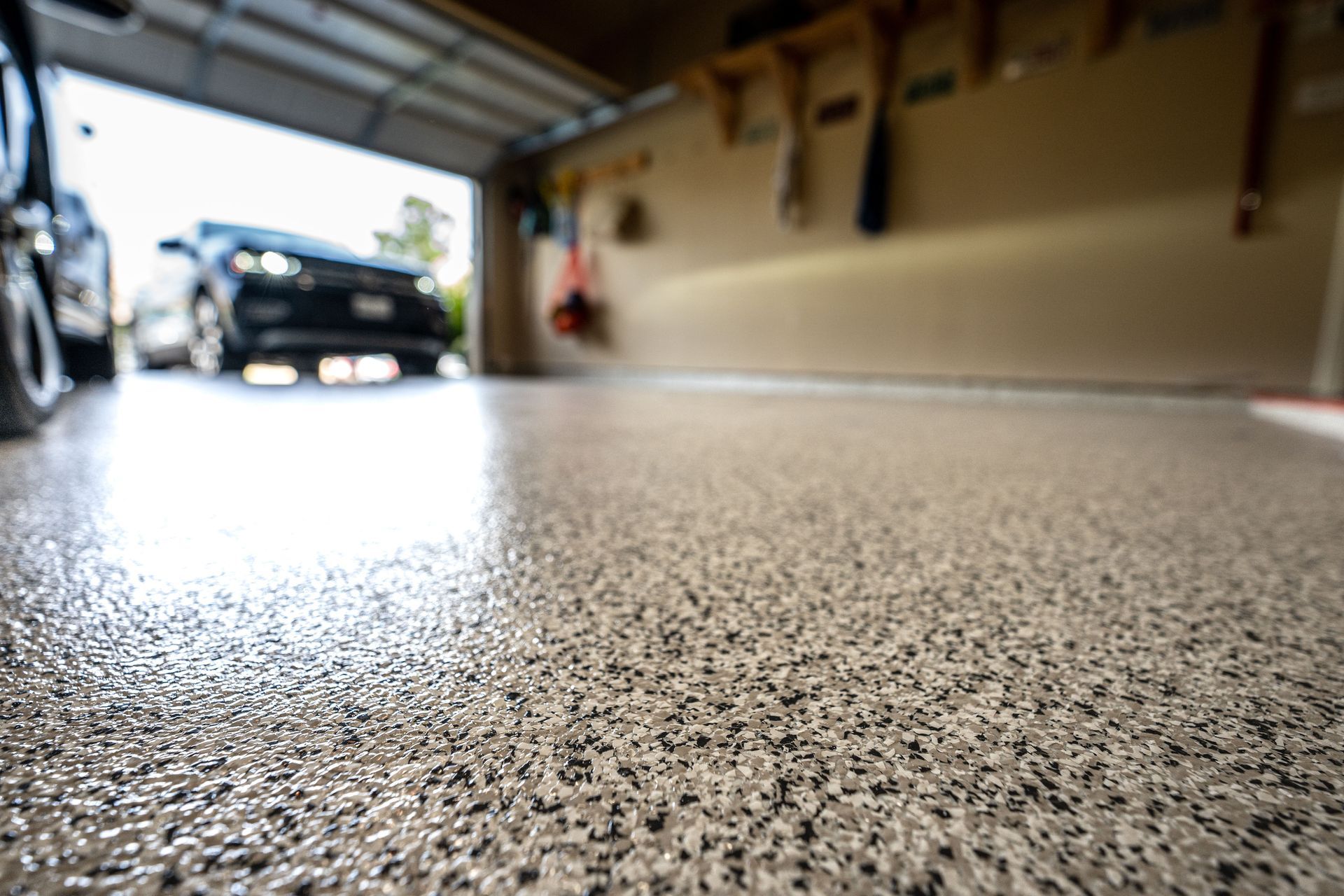
Once the surface is properly prepared, the installation moves into the coating phase. In many high-quality systems, a moisture vapor barrier epoxy basecoat is applied first to prevent moisture from rising through the concrete and causing future issues like bubbling or delamination. After the basecoat, decorative elements such as color flakes or metallic pigments may be added, depending on the desired look. The system is then sealed with a durable topcoat—often a polyaspartic coating—that provides UV stability, scratch resistance, and additional protection against chemicals and wear. This layered approach creates a seamless, non-porous surface that is built to handle everything from residential garages and basements to commercial kitchens, pool decks, and industrial facilities.


Timing is another important factor to consider. Most epoxy flooring installations can be completed within one to two days, depending on the size of the space and the condition of the concrete. While the floor may be ready for light foot traffic within 24 hours, it’s typically recommended to wait a few days before placing heavy furniture or driving vehicles on it to allow for full curing. During installation, there may be some temporary odors and limited access to the space, but these are short-lived and well worth the long-term benefits. By understanding the process and working with experienced professionals, you can expect a smooth installation and a finished floor that delivers durability, safety, and a high-end appearance for years to come.


Comments


bottom of page