How Long Does Epoxy Flooring Really Last?

Sal Tarara | April 14, 2026

April 14, 2026

One of the most common questions people ask before investing in epoxy flooring is how long it will actually last. The answer depends on several factors, but when installed correctly, epoxy flooring is known for its exceptional lifespan. In residential settings like garages, basements, and living spaces, a professionally installed epoxy system can last anywhere from 10 to 20 years or more with proper care. In commercial and industrial environments—where floors endure heavier traffic,...

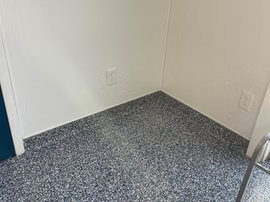
Empty corner of a room with white walls and speckled gray carpet, near a doorway and electrical outlets
By AA Epoxy May 26, 2026
Not all epoxy floors are the same—and understanding the different types of epoxy systems is key to choosing the right one for your space. While many people think of epoxy as a single coating, it’s actually a layered system that can be customized based on durability needs, appearance, and environment. The most basic option is a thin-mil epoxy coating, often used in budget or DIY applications. These coatings are applied in a thin layer and may improve appearance temporarily, but they lack the...
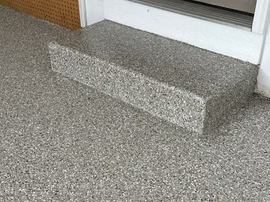
Small gray step on a speckled floor near a doorway.
By AA Epoxy May 19, 2026
Epoxy flooring is known for its durability and long lifespan—but not all epoxy floors are created equal. If you’ve seen or experienced an epoxy floor peeling, bubbling, or wearing out within a year, the issue usually comes down to one thing: shortcuts. Cheap epoxy jobs often skip the most critical step in the entire process—proper surface preparation. Instead of mechanically grinding the concrete to create the right profile for adhesion, some installers rely on acid etching or minimal...

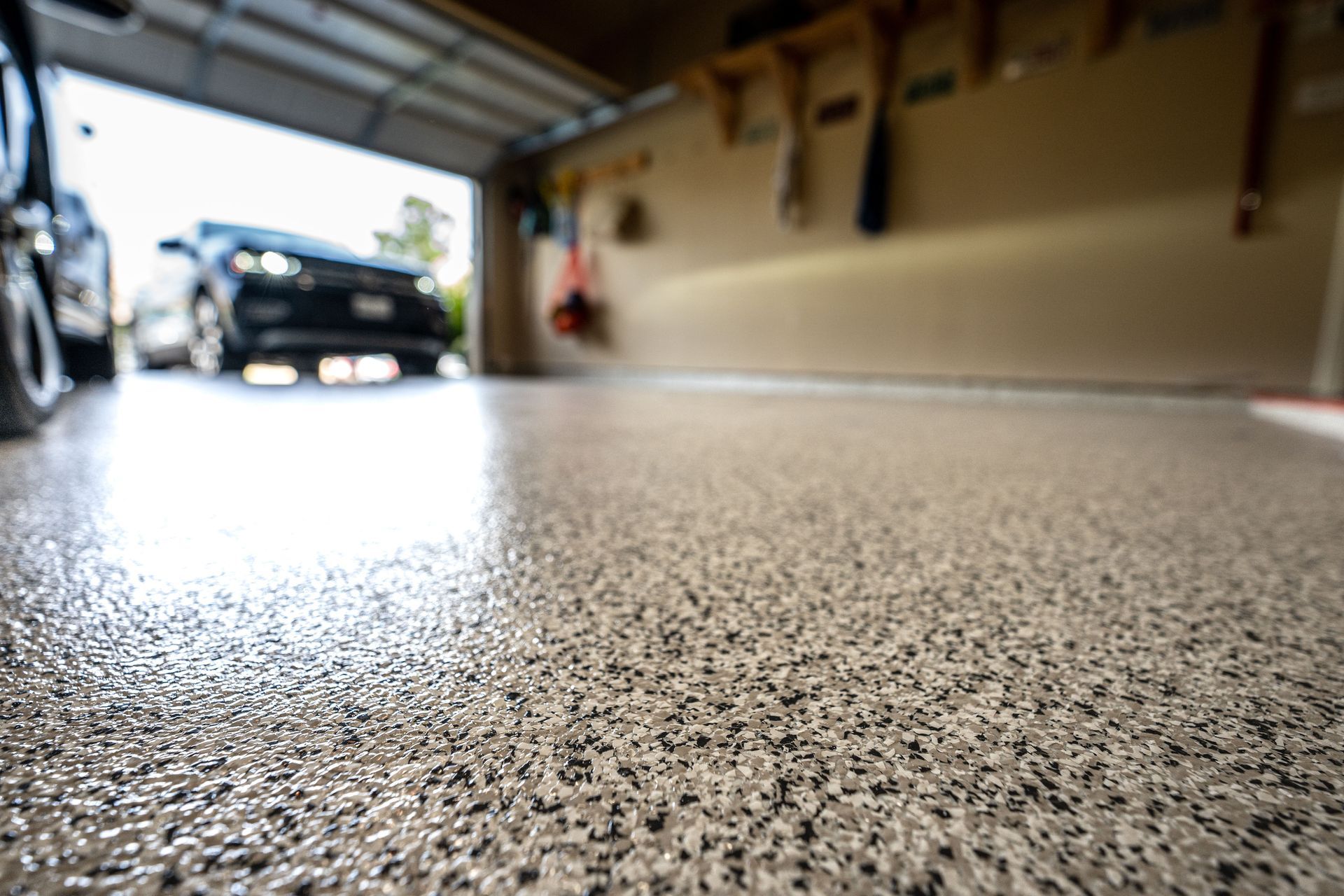
Close-up of a speckled beige and gray carpet or floor texture
By AA Epoxy May 12, 2026
Moisture is one of the most overlooked threats to concrete floors—and one of the most common reasons flooring systems fail. Even when a surface appears dry, moisture can still be moving up through the slab from below. Because concrete is naturally porous, it allows water vapor to pass through, creating pressure beneath coatings and finishes over time. This moisture movement—often referred to as hydrostatic pressure—can lead to bubbling coatings, peeling paint, efflorescence (that white,...
Show More →