top of page

Epoxy Flooring vs. Polished Concrete: Which Is the Better Choice for Your Space?

  • andy2732
  • Dec 18, 2025
  • 2 min read

Epoxy flooring and polished concrete are two popular ways to upgrade concrete surfaces in residential, commercial, and industrial settings. While both improve the appearance of raw concrete, they perform very differently under real-world conditions. Polished concrete is created by mechanically grinding the surface and applying a penetrating sealer to enhance shine and durability. This process preserves the natural look of concrete and works well in modern living spaces, showrooms, and low-risk commercial environments. However, polished concrete remains porous by nature. Even when sealed, it can still allow moisture vapor to move through the slab, which may lead to staining, discoloration, or long-term surface wear—especially in basements, garages, and areas exposed to water or humidity.


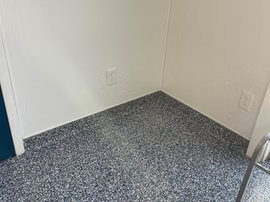
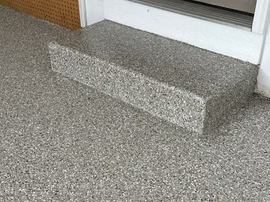
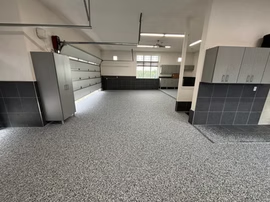
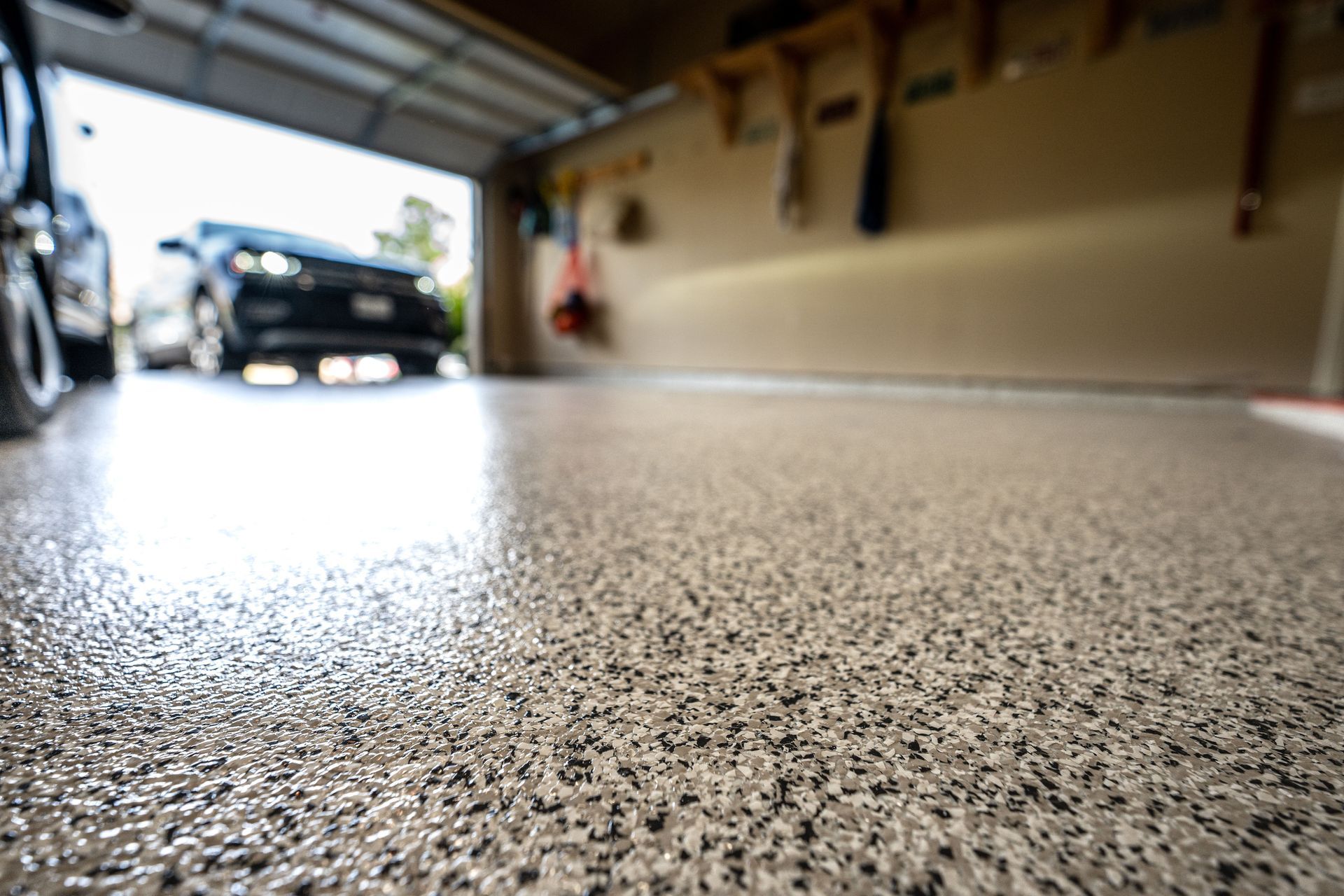
Epoxy flooring systems address these issues at the source by incorporating a moisture vapor barrier epoxy basecoat. This base layer is designed to block moisture vapor transmission from the concrete slab, preventing failures caused by hydrostatic pressure—one of the most common problems with untreated or polished concrete floors. On top of this basecoat, a polyaspartic topcoat is often applied to provide exceptional durability, UV stability, and chemical resistance. This combination creates a fully sealed, non-porous surface that resists moisture, stains, hot tire pickup, abrasions, and impact. In residential garages, basements, and pool deck areas, this layered system offers protection that polished concrete simply cannot provide. In commercial and industrial environments, it delivers long-term performance under heavy traffic, machinery, and frequent cleaning cycles.


When it comes to maintenance and longevity, the difference becomes even more apparent. Polished concrete typically requires ongoing resealing and careful upkeep to prevent moisture intrusion and staining, and it offers limited protection against chemical spills or prolonged exposure to water. In contrast, an epoxy system with a moisture vapor barrier and polyaspartic topcoat is engineered for durability and ease of maintenance. Its seamless surface prevents dust, bacteria, and liquids from penetrating the floor, while the topcoat maintains color stability and traction—even in sun-exposed or wet environments. While polished concrete may appeal to those seeking a minimalist aesthetic, epoxy flooring systems provide superior protection, moisture control, and long-term value for homeowners and businesses alike.


Comments


bottom of page